How Well Does Artificial Grass Drain?
After heavy rain, standing water can turn your backyard from a usable space into a muddy problem. If the same soggy patches keep returning, your natural lawn may feel harder to manage each season.
You may wonder, "Does artificial grass drain well?" before committing to a synthetic grass installation on your property. In this guide, Total Turf Works explains how synthetic turf drains water and what separates a reliable installation from a mediocre one.
Why Drainage Matters for Your Synthetic Lawn
When you invest in a new lawn, its water-handling capabilities determine how often you can actually enjoy your outdoor space. Good drainage delivers several benefits:
Cleaner outdoor space: A fast-draining surface helps reduce muddy patches around patios and walkways.
More comfortable pet use: Less trapped moisture helps keep pet areas fresher between cleanings.
Lower maintenance stress: A drier surface means fewer messes to manage after wet weather.
More usable space: Your lawn can return to normal faster once the rain clears.
Odor control: Dry conditions discourage mildew and bacterial buildup, while excess moisture can contribute to mold on turf and lead to unpleasant smells in damp areas.
Does Artificial Grass Drain Well?
Artificial grass can drain well when the full system is built for efficient water drainage. The sections below explain how each drainage detail supports better performance after rain.
Permeable Backing System
A permeable backing system allows rainwater to pass through the turf surface rather than pooling on it. This backing sits beneath the grass blades and supports steady water movement during normal rainfall. Better turf products often have more effective materials that help moisture pass through evenly.
Drainage Holes
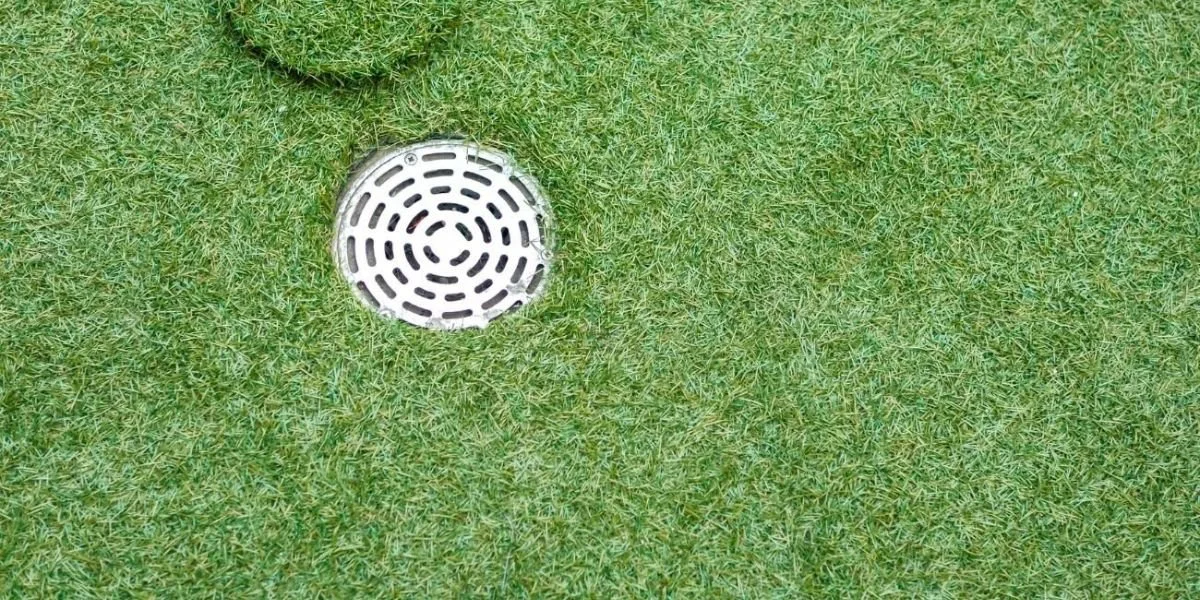
Drainage holes provide a direct path for water through the turf backing. These small openings are spaced across the surface to reduce pooling after rain. When there are too few holes, water may drain more slowly and collect in low areas.
Proper Base Installation
Proper base installation is one of the biggest factors in artificial grass drainage. A crushed stone base provides space for water to move beneath the turf. It also keeps the surface stable, preventing the lawn from becoming uneven after storms. It's also smart to check how synthetic materials respond to fire hazards around fire pits or grills.
Standing Water Prevention
Preventing standing water depends on proper grading before the turf is installed. A slight slope helps guide water away from the lawn surface. This helps the surface recover faster once the rain stops.
Factors That Affect Performance in Heavy Rainfall Conditions
Heavy rain tests the full turf system, not just the surface material. So, does artificial grass drain well in storms? These installation details usually decide the answer:
Base preparation: A stable aggregate base creates open space for water to move below the turf.
Backing design: Quality turf backing allows rain to pass through without slowing at the surface.
Yard grading: A slight pitch helps guide runoff away from low areas before it forms puddles.
Common Myths About Artificial Grass Drainage
Artificial grass drainage can be misunderstood when homeowners compare it too closely with natural grass. These myths clear up how turf handles heavy rain differently, which is essential to know if you are installing artificial grass for kids who want a safe, puddle-free place to play.
Myth One: Artificial Grass Absorbs Water Like Natural Grass
Artificial grass does not absorb rain like the soil beneath a natural lawn. It works by letting water pass through the turf backing. That is why the drainage system beneath the surface matters so much.
Myth Two: All Turf Products Drain the Same Way
Not every synthetic turf product is built with the same drainage design. Some products drain through punched holes, while others use more open backing. If you are unsure which configuration fits your climate, check out our breakdown of the best pile height for artificial grassinstallations.
Myth Three: Drainage Is Only a Surface Concern
Water movement does not stop once rain disappears from the top layer. Moisture still needs a clear route beneath the turf. A weak lower layer can slow drainage even when the surface looks dry.
Myth Four: Turf Drainage Never Needs Attention
Artificial grass is low-maintenance, but that does not mean drainage should be ignored. Leaves and compacted debris can affect how water moves over time. Occasional cleaning helps the system continue to perform after wet weather.
Start Your Turf Project With Total Turf Works
Now that the answer to "Does artificial grass drain well?" is clear, your next step is to choose the right installer. We design and install synthetic lawns for residential and commercial properties throughout the area. Our team pairs quality backings with carefully prepared base layers to support lasting performance.For more helpful care tips, read our turf maintenance guide to protect your lawn after installation. Call Total Turf Works in Fort Worth, Texas, at (817) 646-5527 to request an estimate today.