What Causes Mold on Artificial Turf and How To Prevent It
If your synthetic lawn has developed dark patches or a musty smell, you may be dealing with a moisture problem. Mold on artificial turf is more common than many homeowners expect, and it usually traces back to a few clear causes. If you've recently invested in a new turf installation in Dallas, TX, knowing how to spot and stop mold can help protect your yard.
Total Turf Works wants you to understand why this happens before it spreads. Below, you'll find the top contributors to mold growth on synthetic turf and the steps that can keep your lawn clean.
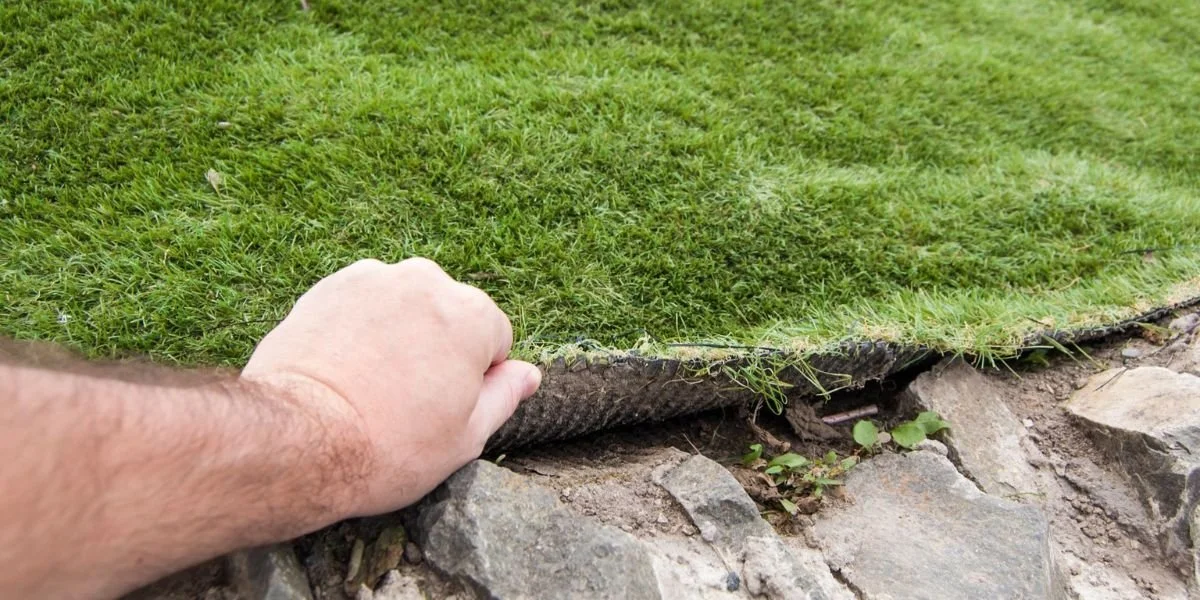
What Leads to Mold Growth
Synthetic grass does not provide the same organic food source as natural lawns, but the area around it can still create ideal conditions for mold growth. When moisture lingers and organic material collects, spores find a place to settle.
The most common triggers of mold growth include the following:
Poor drainage: Water that can't pass through the backing pools beneath the surface.
Organic debris: Leaves and pet waste give spores something to grow on.
Shade and humidity: Areas with little sun stay damp far longer after rain.
While high humidity combined with stagnant shade creates a perfect breeding ground for spores, direct summer sunlight affects your yard differently. Understanding how artificial grass temperature rises in the sun can help you better manage your watering and cleaning schedules during the hottest months. Regular cleaning helps keep artificial lawns fresh and cuts off that food source before it becomes a problem. A consistent routine can make a difference over time.
Why Moisture Is the Real Problem
At its core, the issue almost always comes down to water that sits too long. Moisture buildup in the fibers or base layer creates the damp environment that mold needs to take hold.
Shaded zones near walls or fences tend to dry the slowest, which makes them the highest-risk spots. Even a small amount of trapped water can lead to recurring growth in these areas.
When mold keeps returning on artificial turf, even after you clean it, the source is usually deeper in the base layer. Surface cleaning alone won't reach here.
Preventing mold and bacteria buildup is especially vital if you have small children playing in the yard. When deciding whether artificial grass is safe for kids on your property, proper sanitation and controlling moisture are key to maintaining a healthy environment.
How To Keep Your Turf Clean
Stopping the problem starts with controlling water and keeping the surface clear. Proper drainage is the foundation, since it gives water a path to move away instead of pooling.
Good artificial turf maintenance also means staying ahead of debris before it breaks down. These preventive measures are helpful:
Clear debris often: Remove leaves and fine material so water can drain freely.
Adjust your sprinklers: Redirect any irrigation that oversprays onto the turf.
Schedule a deep clean: Have the infill and base layer treated to remove buildup that surface cleaning misses.
Keeping your lawn free of organic debris not only reduces fungal issues but also helps keep your outdoor living area secure. Many homeowners concerned with backyard safety also ask whether artificial turf is flammable when considering fire pits or outdoor grills near their synthetic grass. Staying consistent with turf cleaning keeps these conditions from building up in the first place.
Keep Your Lawn Fresh With Total Turf Works
Understanding what causes mold on artificial turf gives you the tools to prevent it and protect your investment for years. Total Turf Works offers professional installation services and care built for the Texas climate. Our team can assess drainage levels and restore your lawn when moisture buildup goes deeper than the surface.
To tackle mold on artificial turf in Dallas, TX, call our experts at (817) 857-6454. You can also review our turf maintenance guide for ongoing tips.