Is Your Artificial Turf Melting?
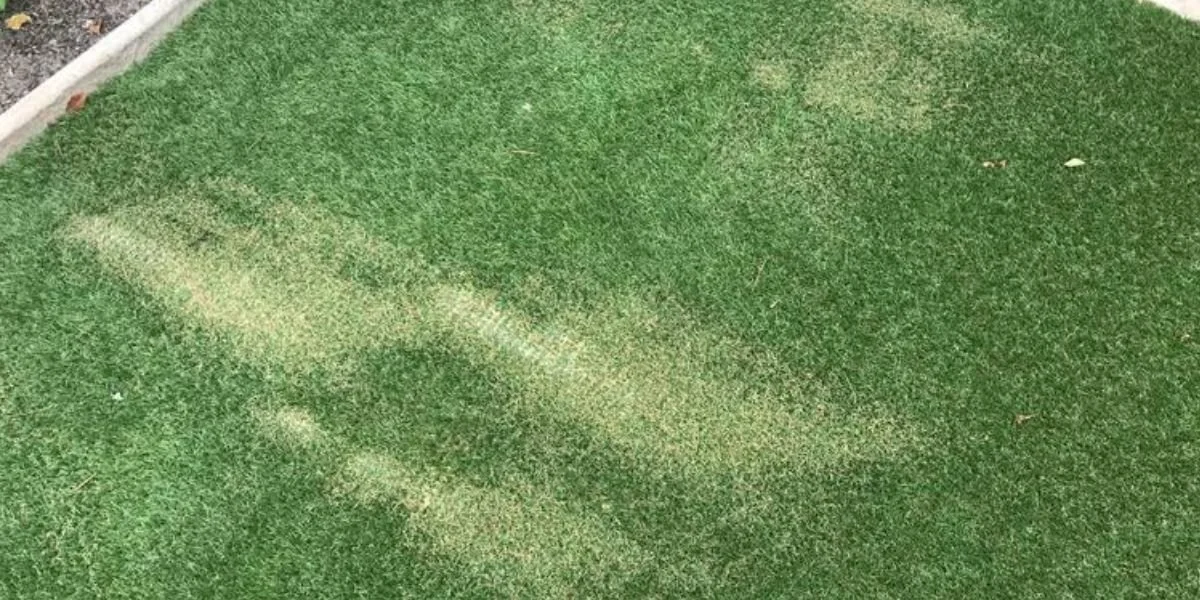
You installed synthetic grass expecting a worry-free lawn, not warped, discolored patches that appear out of nowhere. This problem, known as artificial turf melting, occurs more often than most homeowners expect, usually in specific areas of their yards.
Turf blades are typically made from polyethylene or polypropylene, materials designed to withstand direct sunlight and daily wear. These artificial grass fibers can soften once temperatures climb to around 175°F to 200°F, a threshold that ordinary sunlight rarely reaches on its own.
Backed by 15 years of combined experience and five-star reviews, Total Turf Works, a turf company in Dallas, is the region’s top installer and supplier. It also provides professional maintenance and strong warranty protection: one to three years of labor coverage and eight to 25 years of manufacturer material coverage.
Primary Causes of Melting Artificial Turf
Most cases trace back to intense, focused light striking one small area, not everyday sun exposure across the whole yard. This overview of artificial grassexplains how these fibers typically hold up, which is why melting occurs only under unusual conditions.
A few specific conditions are usually behind the reflected sunlight problem:
Low-E window reflection: Double-pane, low-emissivity windows can act like a magnifying glass, focusing sunlight into a powerful beam.
Reflective siding or surfaces: Vinyl siding, metal patio covers, and polished pool decks can bounce intense rays onto nearby turf.
Regional summer heat: The Texas summer heat raises the turf’s baseline temperature, so less reflection is needed to cause harm.
How To Identify and Prevent Melting Turf
Spotting the source early makes the fix simpler, and prevention is usually straightforward.
On a hot, sunny afternoon, trace the light bouncing off windows or metal surfaces to see whether it lines up with the damaged patch. A beam that lands there daily is likely the culprit, requiring specific care during regular cleaning since high-pressure water can further stress heat-damaged blades if you pressure wash artificial turf incorrectly.
A few practical fixes can reduce the risk of further damage:
Window treatments: Exterior screens, anti-glare film, or an awning can scatter the reflection before it reaches your lawn.
Heat-resistant turf: Turf with acrylic or evaporative-cooling infill lowers surface temperature and helps the turf resist heat damage.
Strategic landscaping: Place flower beds or pavers in the glare zone to deflect concentrated reflections away from nearby turf.
Using one or more of these measures can reduce exposure to concentrated heat throughout the summer.
The Total Turf Works Difference
Across the Dallas–Fort Worth area, melting artificial turf almost always stems from reflected glare rather than the everyday summer sun, and it is simple to prevent or repair. We install turf built for intense regional heat, and our post on how temperature affects artificial grasscovers the science well. Our work is backed by 15 years of combined experience, five-star reviews, and warranties covering one to three years of labor and eight to 25 years on materials.
If you have noticed singed or hardened patches on your lawn, do not let reflection ruin your investment. Call Total Turf Works at (575) 642-5481 for a repair assessment or a free consultation anywhere in Dallas, Fort Worth, Melissa, Prosper, McKinney, or Lewisville for residential or commercial properties.